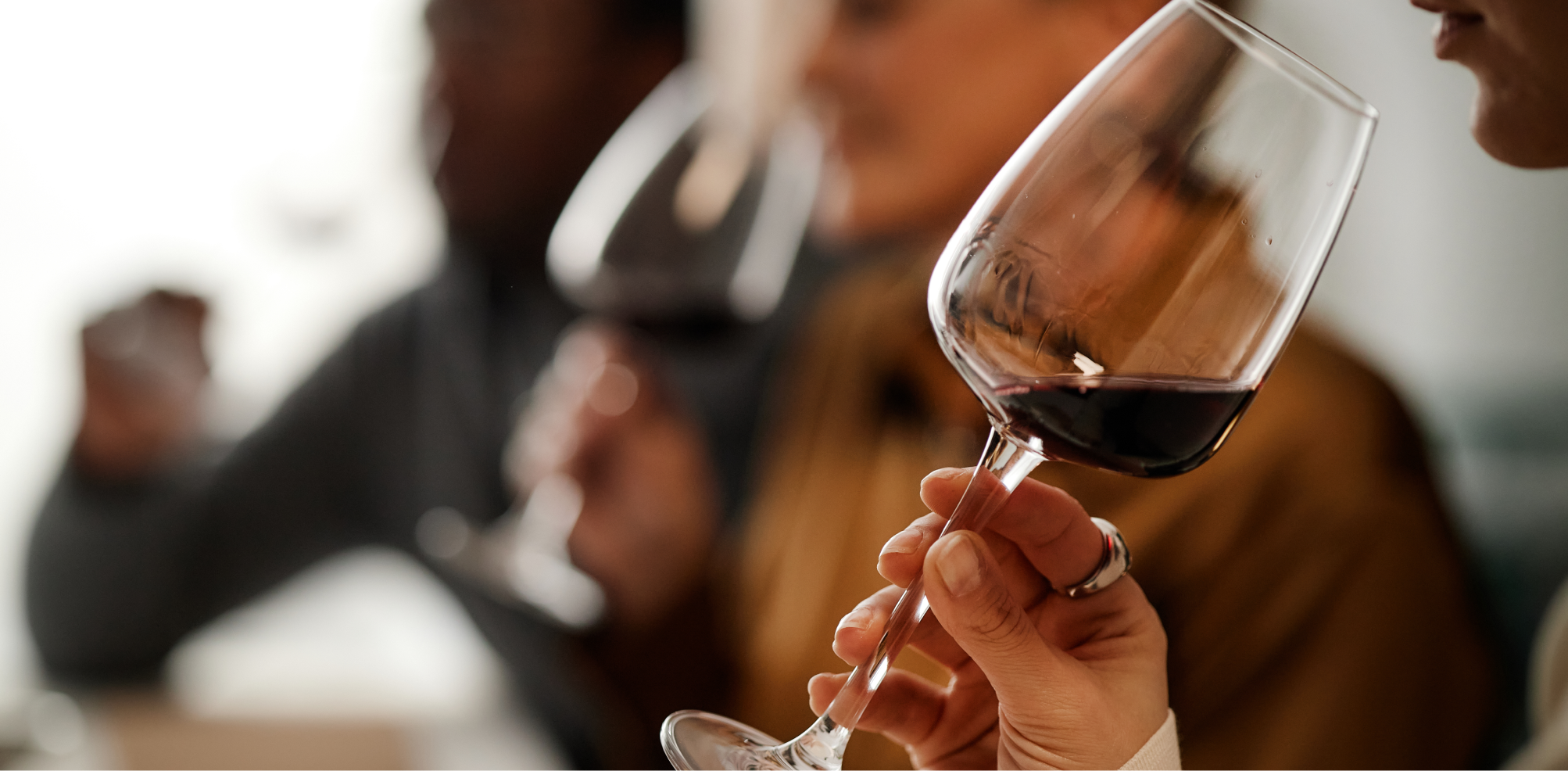
How to host a Wine Tasting at home?
Hosting a wine tasting at home is a simple yet sophisticated way to explore new wines, learn more about wine, and create memorable moments with friends or family. With a bit of planning, you can turn a casual gathering into an engaging and educational experience even with no prior knowledge.
What Is a Wine Tasting?
A wine tasting involves analyzing wines using your senses - sight, smell, and taste - to identify key characteristics such as aroma, acidity, tannins, and body.
1. Choose a Theme
Selecting a theme makes your home wine tasting more cohesive and engaging. It also helps guide your wine selection.
Popular ideas include:
* Wines from a single region (e.g., Douro or Alentejo)
* A specific grape variety (Cabernet Sauvignon, Merlot, Chardonnay)
* Old World vs. New World wines
* Wines within a specific price range
2. How Many Wines Should You Serve?
For the best experience, serve 4 to 6 wines. This avoids palate fatigue and allows guests to fully appreciate each wine. If you’re hosting a larger group, consider having multiple bottles of each selection.
3. How to Set Up Your Wine Tasting
Creating the right environment is key to a successful wine tasting at home:
* Use bright, neutral lighting (natural light is ideal)
* Provide proper wine glasses (ideally one per wine)
* Offer water and neutral foods (bread, crackers) to cleanse the palate
* Prepare tasting sheets or notebooks for notes
Avoid scented candles or strong fragrances, as they can interfere with the wine’s aromas.
4. The Correct Order of Wines
The order in which you serve wines has a big impact on the tasting experience. Follow this sequence:
1. White wines before red wines
2. Light-bodied wines before full-bodied ones
3. Dry wines before sweet or fortified wines
4. Young wines before aged wines
This progression helps maintain balance and prevents stronger wines from overpowering more delicate ones.
5. How to Taste Wine (Step-by-Step)
Understanding how to taste wine enhances the experience for everyone:
Look: Observe the wine’s color, clarity, and intensity.
Smell: Swirl the glass gently and identify aromas (fruity, floral, spicy, or oaky).
Taste: Take a sip and evaluate acidity, tannins, body, and finish (how long the flavor lingers).
There’s no right or wrong. Wine tasting is subjective and personal.
6. Extra Tips for a Better Experience
* Serve each wine at the correct temperature
* Fill glasses only one-third full
* Open red wines in advance (or decant if needed)
* Encourage guests to share opinions and vote for favorites
Now that you know how to host a wine tasting at home, you’re ready to create a fun and memorable experience. With a bit of organization and curiosity, anyone can confidently explore the world of wine.