Building Your Wine Cellar: Beginner’s Guide to Wine Storage
Creating a home wine cellar is a rewarding project that allows you to store, age, and showcase your favorite bottles under ideal conditions. Whether you’re a beginner wine enthusiast or an experienced collector, a well-designed wine cellar enhances both the quality of your wines and the sophistication of your home.
In this guide, you’ll learn how to build a wine cellar step by step, from choosing the right location to stocking and enjoying your collection.
Step 1: Choose the Ideal Location for Your Wine Cellar
The first and most important step in building a wine cellar is selecting the right location. The ideal space should be:
- Cool and dark
- Free from excessive vibration
- Well-insulated
Basements are often the best option, but spare rooms, closets, or custom-built wine cellars can also work. Consistent temperature and humidity control are essential to preserve wine quality over time.
Step 2: Plan the Size, Layout, and Wine Racking System
Before installation, consider both your current wine collection and future growth. Planning ahead prevents costly upgrades later.
Key planning considerations include:
- Wine cellar capacity
- Modular wine racks vs. custom cabinetry
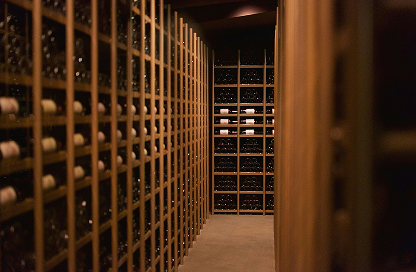
- Layout for easy access and organization
Many collectors organize wines by region, varietal, or vintage. Proper lighting enhances visibility without harming the wine, and if space allows, a small tasting area can elevate the experience.
Step 3: Invest in Proper Wine Storage Equipment
To maintain optimal wine storage conditions, quality equipment is essential:
- Wine cooling system to maintain 13–15°C
- Humidity control to keep levels between 60–70%
- Security system to protect valuable bottles
Stable conditions prevent cork drying, oxidation, and premature aging.
Step 4: Build a Thoughtful Wine Collection
Now comes the most exciting part—stocking your wine cellar.
Focus on wines you enjoy and that benefit from aging, such as:
- Age-worthy red wines
- Select white wines
- Sparkling wines with cellaring potential
Research optimal drinking windows and diversify across regions and vintages. Joining a wine club or consulting a sommelier can help you discover rare and collectible bottles.
Step 5: Track and Manage Your Wine Inventory
Maintaining a detailed wine inventory system helps you:
- Locate bottles easily
- Track aging progress
- Avoid opening wines too early or too late
Digital wine cellar apps or spreadsheets are effective tools for collection management.
Final Thoughts
Building a wine cellar is a blend of planning, passion, and patience. With the right environment, equipment, and curated selection, your wine cellar will preserve your wines at their peak—and become a lasting centerpiece of your home.